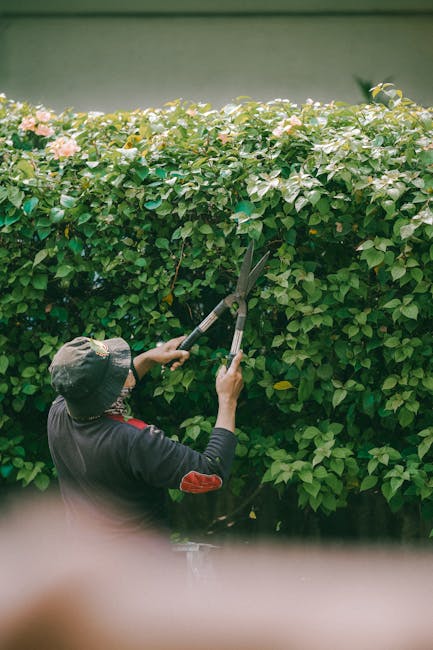
Brockley station gardeners for flats balconies and courtyards
If you live near Brockley Station, you already know space can be precious. A balcony can feel too narrow, a courtyard can feel oddly shaded, and a flat garden setup can become a dumping ground for pots, dead leaves, and good intentions. That is exactly where Brockley station gardeners for flats balconies and courtyards come in: careful, local gardening support designed for compact outdoor spaces that still deserve to look calm, lively, and well kept.
Done properly, small-space gardening is not about squeezing in more plants for the sake of it. It is about making every inch count, choosing materials and planting that suit the light, and keeping maintenance realistic rather than aspirational. In practice, that means a balcony that does not feel cluttered, a courtyard that drains well after a wet spell, and a planting scheme you can actually maintain without turning weekends into a chore. Let's face it, nobody wants a lovely space that becomes a second job.
This guide walks through how local gardeners approach compact outdoor areas, what to expect, what mistakes to avoid, and how to decide whether a one-off tidy-up or an ongoing maintenance plan makes more sense. If you are comparing services, it may also help to look at the broader services overview, or check practical details like pricing and quotes before you commit.
Table of Contents
- Why Brockley station gardeners for flats balconies and courtyards Matters
- How Brockley station gardeners for flats balconies and courtyards Works
- Key Benefits and Practical Advantages
- Who This Is For and When It Makes Sense
- Step-by-Step Guidance
- Expert Tips for Better Results
- Common Mistakes to Avoid
- Tools, Resources and Recommendations
- Law, Compliance, Standards, or Best Practice
- Options, Methods, or Comparison Table
- Case Study or Real-World Example
- Practical Checklist
- Conclusion
- Frequently Asked Questions
Why Brockley station gardeners for flats balconies and courtyards Matters
Small outdoor spaces are deceptively difficult. A balcony may look easy at first glance because there is less ground to cover. But that is only half the story. In a compact space, a single awkward pot, one badly draining planter, or a hedge that grows too ambitious can throw the whole area off balance. Courtyards have their own quirks too: shade from surrounding buildings, harder surfaces that bounce heat, and narrow access that makes moving tools or waste a bit awkward.
That is why gardeners who work near Brockley Station and understand flats, balconies, and courtyards can be so useful. They are not just mowing or trimming. They are solving layout problems, drainage issues, planting choices, and maintenance headaches in places where every decision is visible. The result should feel intentional. Not overdone. Not undercooked either.
There is also a lifestyle angle. Many residents in Brockley want a space that feels green and welcoming without demanding constant work. A tidy balcony with herbs, evergreen structure, and one or two flowering features can make a morning coffee feel better. A courtyard with layered pots and clean edges can soften a flat entrance or communal area in a way that changes the mood of the whole home. Small space, big difference. Honestly, it surprises people how much it lifts the day-to-day.
For landlords and managing agents, it matters for another reason: neglected balconies or courtyards can quickly start to look tired, which affects first impressions and sometimes creates avoidable maintenance issues. Regular care helps prevent that slow drift into mess, moss, and dead foliage that nobody really notices until it is a problem.
How Brockley station gardeners for flats balconies and courtyards Works
The process is usually more considered than a standard garden visit. Good small-space gardening begins with an assessment of the site: how much light it gets, where water sits after rain, how exposed it is to wind, how easy it is to access, and what the current planting or layout is doing to the space. A balcony on an upper floor behaves very differently from a sheltered courtyard, and a decent gardener will treat them as different jobs.
From there, the work usually falls into a few practical stages:
- Assessment and planning - identifying what the space can realistically support.
- Clear-up and reset - removing dead plants, broken pots, debris, and any clutter that is making the area feel cramped.
- Plant selection or reshaping - choosing species that suit light levels, exposure, and maintenance expectations.
- Structure and placement - arranging containers, screening, and focal points so the space feels balanced rather than crowded.
- Ongoing care - pruning, watering support, feeding, deadheading, and seasonal refreshes.
In a courtyard, that may also include edging, path tidying, light landscaping, or surface care. In a balcony setting, the emphasis is often on lightweight containers, safe placement, tidy water management, and plants that won't turn into unruly monsters by midsummer. You know the type. They start charming and end up leaning into the neighbour's line of sight.
Some clients ask for a one-off rescue visit after months of neglect. Others want a monthly or seasonal plan so the area never gets out of hand. Both approaches can work. The right choice depends on how the space is used, how much time you have, and how much change you actually want.
Key Benefits and Practical Advantages
The real benefit of tailored small-space gardening is not simply that things look prettier, though that helps. It is that the space becomes easier to live with.
- Better use of limited space - good layout makes a balcony or courtyard feel larger and calmer.
- Lower maintenance stress - sensible plant choices mean less constant rescue work.
- Cleaner appearance - especially important for flats, entrances, and shared outdoor areas.
- Healthier planting - the right watering and pruning rhythm keeps plants stronger for longer.
- Improved safety and access - no overfilled planters, blocked paths, or unstable pots.
- Seasonal interest - you can keep colour and structure going all year rather than for one brief burst.
There is also a practical financial angle. Small spaces can be surprisingly expensive to get wrong. Buy the wrong plants, use the wrong compost, or place containers in poor light, and you may end up replacing half of it six weeks later. A thoughtful gardener helps avoid that cycle. Not glamorous, maybe, but very effective.
Another advantage is flexibility. Courtyards often need a more architectural feel, with tidy lines and reliable evergreen structure. Balconies may need plants that tolerate wind and work in pots without becoming root-bound too quickly. The point is not to force one style onto every space. The point is to work with the space you actually have.
Who This Is For and When It Makes Sense
This kind of gardening support is useful for a range of people around Brockley Station, not just keen plant lovers. In fact, some of the best results come when the client is not trying to become a full-time gardener at all.
- Flat owners who want a balcony that feels usable and well presented.
- Renters who need a lightweight, non-permanent refresh.
- Landlords preparing a property for viewing or ongoing occupation.
- Letting agents and managing agents looking after communal courtyards or entrance spaces.
- Busy professionals who want greenery without constant maintenance.
- Older residents who prefer gardening support for the lifting, pruning, and tidying.
It makes sense when the space has fallen into one of a few common patterns: plants outgrowing pots, poor drainage, too much shade, too much wind, or simply no clear plan. It also makes sense if you have inherited a previous owner's setup and it feels like a random collection of containers with no logic. Happens all the time, truth be told.
If you are not sure whether you need a maintenance visit or something more transformative, compare the options first. General upkeep may be enough in some cases, while more ambitious areas benefit from support that overlaps with landscape gardening or light landscaping. A good gardener should be able to tell you where the line is, rather than selling the biggest job by default.
Step-by-Step Guidance
If you are planning to improve a flat balcony or courtyard near Brockley Station, a sensible sequence makes all the difference. Here is a simple way to approach it.
- Start with a clean base. Clear away broken pots, dead stems, old labels, soggy saucers, and anything that does not belong. If the space is badly overgrown or cluttered, a proper garden clearance may be the smartest first move.
- Assess light and exposure. Morning sun, afternoon shade, wind tunnels between buildings, and sheltered corners all change what will thrive.
- Decide how the space will be used. Will it be for sitting, growing herbs, screening neighbours, drying laundry, or all of the above? The layout should match the real purpose.
- Choose a structure first. Think larger pots, evergreen anchors, rail planters, or a slim bench before adding smaller detail.
- Select plants that fit the conditions. Tough, container-friendly plants are usually more successful than fussy ones that demand perfect conditions.
- Check drainage and weight. Water has to go somewhere, and balconies have load limits that should not be ignored.
- Finish with maintenance habits. Regular watering, feeding, pruning, and clearing leaves keeps the space looking intentional.
A simple example: a north-facing courtyard with damp winter conditions may do better with ferns, hellebores, heuchera, and structural evergreen pots than with thirsty Mediterranean plants. On a breezy balcony, smaller terracotta pots filled with dry-loving herbs may need constant watering and are more likely to struggle. Small detail, big outcome.
For ongoing upkeep, many people combine this with routine garden maintenance so the space stays tidy after the initial redesign or seasonal reset.
Expert Tips for Better Results
Here is where a bit of practical experience really helps. Most compact outdoor spaces do best when they are edited, not overloaded.
- Use fewer, larger containers rather than many tiny ones. It usually looks calmer and is easier to water properly.
- Keep a clear walking or sitting zone. A balcony you cannot move around in is, frankly, a storage shelf with plants.
- Mix evergreen structure with seasonal colour. That keeps the space interesting even in the colder months.
- Choose plants for resilience, not just appearance. Beauty matters, but the plant has to survive the conditions too.
- Think vertically. Trellis, wall planting, and tiered stands can add depth without eating floor space.
- Group plants by water need. It makes aftercare much simpler and reduces the chance of one pot drowning while another dries out.
- Use good-quality compost and top dressing. It is one of those boring details that makes a visible difference.
One small but important tip: do not place everything in a neat row unless you want the space to look flat. A little stagger, a taller plant behind a lower one, or one statement container near a seating area gives the whole thing more life. Not fussy. Just better.
If the space includes a small timber deck or raised platform, it can be worth thinking about the finish and how it will be used alongside planting. In those cases, a gardener may work alongside decking services to make the garden feel cohesive rather than pieced together.
Common Mistakes to Avoid
Compact outdoor spaces tend to fail for predictable reasons. None of them are dramatic on their own, but together they can make a lovely balcony or courtyard feel messy and awkward.
- Overcrowding the space. Too many pots create visual noise and make cleaning difficult.
- Ignoring weight and drainage. Heavy planters and waterlogged compost can become a real issue on upper floors.
- Choosing plants for a garden, not a container. A plant that looks good in a border may behave very differently in a pot.
- Skipping seasonal maintenance. Deadheading and pruning are not optional if you want the space to stay fresh.
- Forgetting access. If you cannot water it, move it, or reach it, the arrangement is too ambitious.
- Using harsh materials that make the area feel cold. Courtyards especially can become a bit stark if every surface is hard and every plant is tiny.
Another mistake is assuming a courtyard only needs plants. Sometimes what it really needs is better organisation, more light-reflective surfaces, or a clearer route through the space. In other words, plant choice is only one piece of the puzzle. A useful piece, yes, but still one piece.
Tools, Resources and Recommendations
You do not need a shed full of specialist kit to manage a small outdoor area well, but the right tools do make the work quicker and tidier. For most balconies and courtyards, useful equipment includes:
- Lightweight pruning shears
- Small hand forks and trowels
- A watering can with a long spout
- Quality compost suitable for containers
- Drainage trays or hidden pot feet where appropriate
- Frost protection for vulnerable containers in colder weather
- Gloves that still let you grip properly, because slippery tools are just annoying
On the planning side, it helps to think in layers. A structure layer gives shape, a planting layer adds interest, and a maintenance layer keeps the whole thing from drifting. That is true whether you are trying to soften a courtyard wall, create privacy on a balcony, or keep a narrow entry space looking polished. If the area has become a burden, a reset and then a steady routine is often the best approach.
For practical reassurance around business processes and standards, it is sensible to review pages like insurance and safety and the site's health and safety policy before work begins, especially where lifting, ladders, communal access, or shared entrances are involved.
Law, Compliance, Standards, or Best Practice
For balcony and courtyard gardening, there are a few areas where best practice matters even if the job feels informal. Not every detail is fixed by law, but sensible care and good judgement are important.
First, weight load and structural safety should be treated carefully. Balconies are not designed as storage spaces for unlimited soil, water, stone, and heavy planters. If a client wants a major container scheme, the load needs thinking through before anyone starts filling pots. It is one of those things that feels boring right up until it is very not boring.
Second, drainage needs to be managed properly. Water runoff should not damage shared areas, downstairs neighbours, or interior thresholds. Courtyards with hard surfaces may need better drainage planning than they first appear to need. Slippery surfaces are a nuisance, and in winter they can become a safety issue.
Third, communal spaces usually require consideration for access and neighbours. Paths should stay clear, maintenance should not create avoidable mess, and noise and waste handling should be kept sensible. In shared buildings, that kind of courtesy matters just as much as the planting.
Finally, if any work involves access equipment, lifting, or disposal of garden waste, responsible contractors should work in line with their own safety processes and waste-handling standards. If recycling and sustainability matter to you, it is worth asking how green waste and old containers are managed. The page on recycling and sustainability is a useful place to understand the approach.
Options, Methods, or Comparison Table
There is no single right answer for every flat balcony or courtyard. The best method depends on how much change you want and how often you want to maintain it.
| Approach | Best for | Pros | Trade-offs |
|---|---|---|---|
| One-off tidy and reset | Neglected or cluttered spaces | Fast transformation, removes stress, gives a fresh start | Needs follow-up care to stay tidy |
| Seasonal refresh | Spaces that already have good structure | Good value, keeps interest through the year | May not solve layout problems |
| Regular maintenance plan | Busy households and communal areas | Reliable appearance, less overgrowth, fewer surprises | Ongoing commitment |
| Light redesign with planting support | Spaces that feel awkward or underused | Better flow, stronger visual impact, more practical use | Requires more planning and a clearer budget |
If the space is already fairly tidy but just needs seasonal care, maintenance may be enough. If it has become overgrown or cluttered, start with clearance. If it feels awkward rather than messy, a design-led approach is usually better. Simple enough, though the decision is often clearer once someone has actually stood in the space and looked at it properly.
Case Study or Real-World Example
Here is a realistic scenario. A flat near Brockley Station has a narrow balcony facing a busy road. The owner uses it mainly for a morning cup of tea and a few herbs, but the space has become crowded with mismatched pots, a tired climber, and a couple of containers that stay wet for days after rain. The whole area feels more like storage than a retreat.
A sensible gardener would probably start by removing the dead material and decluttering the layout. Then the existing pots would be assessed for size, drainage, and placement. The climber might be replaced or trained more neatly, and the herb selection might be simplified to varieties that can cope with wind and intermittent attention. Instead of five small pots in a row, the design might use two larger containers, one slim feature plant, and a clear sitting area. Nothing showy. Just calmer.
By the end, the balcony still feels like a balcony. It has not been turned into a miniature fantasy jungle. But it now works better: easier to water, easier to sit in, and less likely to become a mess after one wet week. That is the kind of result people usually want, even if they do not say it exactly like that at the start.
A courtyard example would be slightly different. A shaded communal space might benefit from evergreen structure, leaf-shedding management, and cleaner edges around paths. In that setting, a little lawn mowing may not be the relevant service, but tidy green surfaces, pruning, and careful planting absolutely are. The principle is the same: make the space work for real life, not just for photos.
Practical Checklist
Use this quick checklist before booking work or starting a refresh. It keeps things grounded.
- Do I know how the space is used day to day?
- Have I checked light, shade, wind, and drainage?
- Do I want a tidy-up, a seasonal refresh, or a more complete redesign?
- Are the containers suitable for the space and safe for the structure?
- Is there enough room to move, sit, or access the area comfortably?
- Do the plants suit the conditions rather than just the look I want?
- Is there a realistic maintenance plan after the work is done?
- Would removal of clutter or waste make the biggest difference first?
- Do I need help with pruning, hedges, or other larger growth areas nearby?
- Have I reviewed the practical details of service terms and payment?
If hedge growth or neighbouring planting is spilling into the area, it may also help to explore hedge trimming as part of the wider tidy-up. And if the project is going to be more involved, take a look at about us to understand the team's approach and working style before you move ahead.
Conclusion
Brockley station gardeners for flats balconies and courtyards are there to solve a very specific problem: making compact outdoor spaces look good, work properly, and stay manageable over time. That may mean a simple tidy and seasonal refresh. It may mean careful planting, better drainage awareness, or a smarter layout. Sometimes it is a little bit of everything.
The most successful small-space gardens are rarely the most crowded ones. They are the ones that feel calm, practical, and right for the home they belong to. A balcony should be easy to use. A courtyard should feel inviting, not intimidating. And the aftercare should be realistic, because nobody needs another complicated project sitting outside the door.
If you are still deciding, start with the basics: assess the space, decide what matters most, and choose help that understands compact urban gardening rather than treating it like a bigger garden squeezed into a smaller frame. That shift in approach makes all the difference, and you notice it straight away.
Get a free quote today and see how much you can save.
A well-kept balcony or courtyard does not just improve the view. It quietly improves the rhythm of home life too, which is a lovely thing to have in a busy place like Brockley.
Frequently Asked Questions
What do Brockley station gardeners for flats balconies and courtyards usually do?
They typically handle tidy-ups, planting, pruning, container arrangement, seasonal refreshes, and ongoing maintenance for compact outdoor spaces. In some cases they also help with clearance, small design improvements, and basic surface care.
Can a small balcony really be made to look like a proper garden?
Yes, but it works best when the design is simple and space-aware. A few strong containers, the right plant mix, and good layout can make a balcony feel like a genuine outdoor room rather than an afterthought.
How often should a courtyard or balcony be maintained?
It depends on exposure, planting, and how much you use the space. Some areas only need seasonal visits, while others benefit from monthly attention. If growth is fast or the area is communal, regular care is usually easier in the long run.
What plants are best for balconies in Brockley?
That depends on light and wind, but hardy container plants, evergreen structure, herbs, and well-chosen seasonal colour often work well. The key is choosing plants for the actual conditions, not just for looks in a nursery.
Do courtyards need different care from balconies?
Usually, yes. Courtyards often deal with shade, drainage, hard surfaces, and visibility from multiple angles, while balconies tend to be more exposed to wind and load considerations. The maintenance approach should match the space.
Is a one-off tidy-up enough, or do I need regular maintenance?
If the space only needs a reset, one visit may be enough. If you want it to stay looking good without sliding backwards after a few weeks, a maintenance plan is usually the more sensible choice.
What should I ask before hiring a gardener for a flat balcony or courtyard?
Ask how they handle drainage, weight, access, waste removal, and plant selection for small spaces. It is also sensible to ask whether they offer maintenance after the initial work, because that often determines whether the space stays nice.
Can gardeners help if the area is cluttered or overgrown?
Yes. A clear-out is often the best starting point when a balcony or courtyard has become overcrowded or neglected. After that, the space can be replanned so it is easier to keep tidy.
Are there safety issues with heavy pots on balconies?
There can be. Heavy planters, wet compost, and stone containers all add weight, so it is important to think carefully about load and placement. If in doubt, lighter containers and a simpler layout are usually safer choices.
How do gardeners keep balcony planting from becoming too messy?
They usually use a tighter planting plan, group plants by care needs, and choose containers that fit the space rather than overwhelm it. Routine deadheading, pruning, and leaf removal help keep the whole area sharp and manageable.
What if my courtyard gets very little sunlight?
Low-light courtyards can still look excellent with the right planting. Shade-tolerant plants, evergreen structure, and careful use of texture can make a darker space feel intentional rather than gloomy. It just needs a different palette.
How do I find out if a service is the right fit before booking?
Look for clear service information, practical guidance on cost and expectations, and evidence that the team understands small spaces. Pages such as services overview and contact us can help you start that conversation in a straightforward way.