Same day Brockley gardeners for emergency garden clearance
When a garden suddenly gets out of hand, it rarely happens at a convenient moment. One windy night, a skipped collection, a fallen branch, or a tenant move-out can leave you with a mess that feels bigger than it should. That is exactly where same day Brockley gardeners for emergency garden clearance make a real difference. They help you get control quickly, safely, and with far less stress than trying to tackle it all yourself after work, in the dark, with a rake that has seen better days.
This guide explains what emergency garden clearance actually involves, how same day service works in Brockley, who needs it most, and what to look for before you book. You will also find practical tips, a simple checklist, and a grounded comparison of your options so you can make a sensible decision without rushing into the wrong one. Let's face it, when the garden is causing trouble, clarity matters.
Table of Contents
- Why same day Brockley gardeners for emergency garden clearance matters
- How the emergency clearance process works
- Key benefits and practical advantages
- Who this is for and when it makes sense
- Step-by-step guidance
- Expert tips for better results
- Common mistakes to avoid
- Tools, resources and recommendations
- Law, compliance, standards and best practice
- Options, methods and comparison table
- Case study or real-world example
- Practical checklist
- Conclusion
- Frequently asked questions
Why same day Brockley gardeners for emergency garden clearance matters
Emergency garden clearance is about more than tidying up. It is about restoring access, reducing risk, and stopping a small problem from becoming a bigger one. A blocked path, overgrown front drive, broken branches, or piles of waste can create trip hazards, invite pests, and make the property feel neglected in a way that is hard to ignore.
In Brockley, where many homes have compact gardens, shared access routes, or front spaces close to pavements, speed can matter quite a lot. A garden that needs clearing before a viewing, before new tenants move in, or after storm damage often cannot wait for a standard booking slot next week. Same day help can keep the household moving, and that is a relief when the pressure is already high.
There is also a practical side people sometimes overlook. Wet leaves on steps, snapped garden furniture, piles of pruned waste, and unstable tree debris can all become awkward fast. A quick clearance is often the safer choice, especially if children, older residents, or visitors need access. To be fair, this is one of those jobs that looks manageable from the kitchen window and then suddenly turns into a full weekend.
If the issue is linked to wider outdoor upkeep, it can help to think beyond a single clean-up. Regular garden maintenance keeps things under control between larger jobs, while garden clearance is the sharper, more immediate response when the space needs decisive action.
How same day Brockley gardeners for emergency garden clearance works
Same day service usually follows a simple pattern: assess, quote, attend, clear, and remove waste. The details vary a little from job to job, but the core process is fairly consistent. Good gardeners try to understand the scale of the work quickly so they can bring the right tools, the right team size, and enough vehicle space for waste removal.
It often starts with a short description or a few photos. That may sound basic, but it helps a lot. A garden with a few bags of clippings is very different from one with brambles, fallen timber, broken fencing, and a hedge that has decided to take over. The clearer the brief, the faster the response.
On arrival, the team will normally check access, note any hazards, and confirm what needs to be removed. Then they get on with the work: cutting back overgrowth, collecting green waste, bagging debris, lifting bulky material, and sweeping through the area so it is usable again. If there are awkward items such as branches, old compost bins, or damaged timber, those are usually handled separately and carefully.
For more involved sites, emergency clearance may overlap with other services. For example, if the garden has been left for a while, a lawn mowing visit might be needed after the main clearance, or hedge work may be required to reopen access along a boundary. A neat result usually comes from combining the right tasks, not just blasting through the obvious mess.
And yes, sometimes the job is simply too much for one person with a bin bag and optimism. Happens more often than you might think.
Key benefits and practical advantages
When people search for urgent garden clearance, they are usually trying to solve more than one problem at once. Fast help can remove visual clutter, reduce safety risks, and make the property feel liveable again. That is the headline benefit. The smaller gains are just as valuable though.
- Speed: Same day response helps when you have a deadline, a viewing, an inspection, or a weather-related mess.
- Safety: Clearing fallen branches, slippery debris, and obstructed paths reduces the chance of trips and cuts.
- Access: It becomes easier to use the garden, reach bins, open gates, or get to sheds and rear entrances.
- Less stress: You avoid spending a whole weekend dragging waste around by hand.
- Better presentation: A cleared garden can lift the whole feel of a property, especially before selling or letting.
- Waste handling: Reputable teams remove the material for you, which saves multiple runs to the tip. Good luck doing that in one car journey, honestly.
There is also an emotional advantage that gets overlooked. A chaotic garden can make the whole home feel unfinished, even if everything else is fine. Once it is cleared, people often feel lighter about the property straight away. The space breathes again.
If you are planning longer-term improvements after the urgent work is done, it may be useful to look at landscape gardening or broader landscaping support. Emergency clearance can be the reset button before a more thoughtful redesign.
Who this is for and when it makes sense
This service is not just for dramatic storm damage, although that is certainly one use case. In practice, same day Brockley gardeners for emergency garden clearance often help a fairly wide mix of people and situations.
You may need it if:
- storm debris has made the garden unsafe or inaccessible
- you are preparing for a tenancy changeover and the space must be cleared quickly
- a family event or house viewing is coming up and the garden needs to look presentable
- brambles, ivy, or dense growth have taken over paths and borders
- fallen branches or tree waste are blocking access
- you have inherited a neglected property and need a fast first step
- the garden has been left for months and regular maintenance has become impossible to ignore
It also makes sense for landlords, letting agents, homeowners, and small businesses with outdoor areas that need a quick turnaround. In some cases, the work is not dramatic. It is just urgent. That can be enough.
If the problem is mainly overgrown hedging, a dedicated hedge trimming visit may solve things faster than a full clearance. If the issue is larger or more mixed, a clearance team can usually build the job around what actually needs doing, rather than forcing a one-size-fits-all approach.
Step-by-step guidance
When you need help quickly, a clear process keeps things calm. Here is the simplest way to approach an emergency garden clearance without wasting time.
- Identify the immediate issue. Is it a safety hazard, blocked access, visible mess, or a combination of everything?
- Take a few photos. Wide shots and close-ups help the gardener judge the scale properly.
- Note access details. Gate width, parking restrictions, side access, locked areas, and whether waste has to be carried through the house all matter.
- Separate urgent tasks from optional ones. For example, fallen branches and path clearance may be urgent, while border tidying can wait a day.
- Ask what is included. Confirm whether removal, loading, sweeping, and green waste handling are part of the job.
- Prepare the space. Move valuables, unlock access points, and keep pets or children safely away during the work.
- Walk through the result. Once finished, check that paths, drains, and entrances are usable before the team leaves.
That last step sounds obvious, but it saves a lot of back-and-forth. If you spot an area that still needs attention, say so while the team is there. Much easier than trying to explain it later by phone while juggling dinner, keys, and life.
For a larger tidy-up after the emergency has passed, you may also want ongoing lawn mowing or routine care so the same issue does not come back in a month. Fast clean-up plus maintenance is a solid combination.
Expert tips for better results
Here is the honest version: the best same day jobs are the ones where the homeowner gives good information and the gardener arrives with a clear target. A rushed service does not have to mean a messy result, but it does help to be organised from the start.
1. Send photos from different angles. A single picture can hide a lot. Show the worst area, the access route, and any bulky material.
2. Be clear about what matters most. If the front path must be opened first, say that. If the rear fence line is less urgent, say that too.
3. Ask about waste removal. Green waste, soil, timber, and mixed debris can be handled differently. It is worth checking rather than assuming.
4. Keep breakables out of the way. Pots, ornaments, solar lights, and tools often get forgotten in the rush. Move them if you can.
5. Think in stages. Emergency clearance can be the first phase, not the whole story. A later visit for trimming, mowing, or redesign may be the smarter route.
6. Choose practical over perfect. In an emergency, "safe and usable" is the right goal. The polished finish can come later.
There is a little art to this, truth be told. A good gardener reads the site quickly and knows where time is best spent. That is usually what separates a tidy outcome from a frantic one.
Common mistakes to avoid
Urgent jobs tempt people into shortcuts. Some of those shortcuts are harmless. Others are a headache waiting to happen.
- Trying to clear heavy waste alone: Big branches and damp garden debris are awkward, slippery, and surprisingly tiring.
- Not checking access: If the team cannot get equipment or waste out efficiently, the job takes longer than it should.
- Forgetting hidden hazards: Broken glass, nails, thorny cuttings, and unstable piles can cause injuries.
- Assuming all clearance is the same: A quick tidy, a full overgrowth removal, and a storm-damage clean-up are not identical jobs.
- Leaving pets unsecured: This one happens more often than people admit. Dogs especially love to inspect the exact area you do not want them in.
- Skipping the waste question: If removal is not included, you may be left with bags and branches after the main work is done.
Another subtle mistake is asking for too much perfection under too little time. A proper same day response focuses first on safety and access. That is the right order. Decorative tidying can come next.
Tools, resources and recommendations
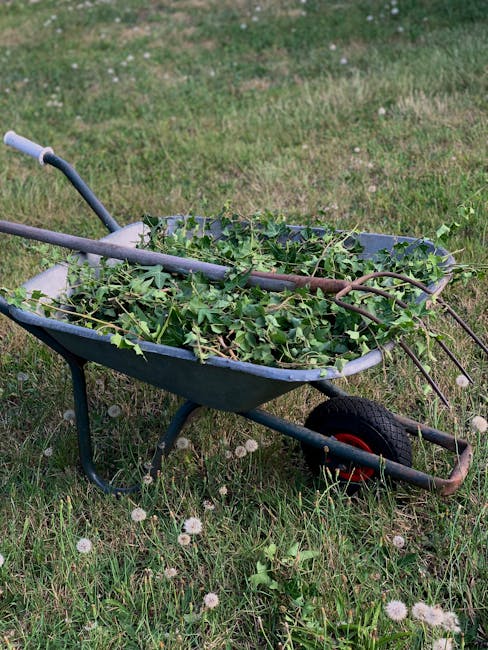
Good emergency clearance relies on the right kit, but the real value is in using it sensibly. A professional team typically brings cutting tools, rakes, brooms, bags, wheelbarrows, and transport for waste. For more complex jobs, they may also use heavier equipment to deal with thick growth or larger branches.
From a homeowner's point of view, the most useful resources are not fancy at all. They are simple, practical things that help the job run smoothly:
- clear photos of the problem area
- a short written summary of what must be done today
- gate codes or access instructions if needed
- a note about parking restrictions or neighbour access issues
- bin locations, if any waste needs staging before removal
If you are comparing services, the services overview is useful for understanding how different outdoor tasks fit together. You may find that the urgent clearance is only one part of a broader plan, especially if the garden also needs ongoing trimming, lawn work, or structural improvements.
For households thinking ahead to a more lasting improvement, it can also help to review pricing and quotes before booking multiple services. That gives you a better sense of sequencing and budget, without the guesswork.
Law, compliance, standards and best practice
Emergency garden clearance may sound straightforward, but there are still sensible standards to follow. In the UK, garden waste and debris should be handled responsibly, and anyone carrying out the work should do so with proper regard for safety, access, and disposal practices. You do not need to become an expert in regulations to book a gardener, but it helps to choose a team that works carefully and openly.
Best practice usually includes:
- checking for hazards before work begins
- using suitable personal protective equipment where needed
- handling sharp, heavy, or unstable material carefully
- avoiding damage to neighbouring property, paving, fences, or planted areas where possible
- removing waste in line with normal environmental and disposal expectations
- being clear about what is included in the service and what is not
If the job involves trees, large limbs, or anything that could pose a real danger, it is wise to ask whether the provider is equipped for that level of work. A dedicated tree lopping and removal service may be more appropriate than a general tidy-up. Likewise, if a deck, step, or outdoor structure is damaged, you may need a separate assessment rather than forcing the clearance crew to improvise.
From a trust perspective, it is also reasonable to look for clear information about insurance and safety and how the team manages risk on site. That does not need to be dramatic. It just needs to be sensible, transparent, and well organised. That is what most people want, really.
Options, methods and comparison table
If your garden needs clearing today, you generally have a few options. Some are cheaper in theory but slower in practice. Others solve the problem fast but are only worth it when time really matters.
| Option | Best for | Speed | Typical downside |
|---|---|---|---|
| DIY clear-up | Small, light mess and plenty of free time | Slow | Can be exhausting, and waste disposal is still your job |
| Regular garden maintenance visit | Ongoing upkeep, light overgrowth, prevention | Moderate | Not always suited to urgent, heavy or unsafe clearances |
| Same day emergency clearance | Blocked access, storm damage, urgent presentation or safety needs | Fast | May cost more than a routine booking because of urgency |
| Specialist tree or structural outdoor work | Large branches, dangerous limbs, damaged features | Fast to medium | May need separate scoping or a different team |
For a lot of Brockley properties, the decision comes down to a simple question: do you want to spend your own time wrestling with the job, or would you rather get the space safe and usable quickly? If the mess is large, mixed, or time-sensitive, same day help usually wins.
And if you are unsure where your job sits, that is normal. A decent gardener will tell you whether you need a clearance, a maintenance visit, or a more specific service. No hard sell. Just the sensible route.
Case study or real-world example
Here is a realistic example based on the kind of situations local gardeners handle all the time. A family in Brockley returns after a few wet and windy days to find a side return piled with fallen twigs, a broken planter, and heavy leaf build-up blocking the route to the back gate. The garden is still usable in theory, but only if you fancy stepping around damp debris and trying not to slip on the path. Not ideal.
They call for same day help because a relative is arriving that evening and they need the access route clear. The first message includes a few photos and a note that the side gate is narrow. That detail matters. The team arrives with hand tools, bags, and a plan that focuses on the blocked route first. The debris is lifted, the path is swept, the waste is removed, and the gate opens properly again.
Later, once the urgent pressure is gone, the homeowners book a follow-up for hedge work and a more routine tidy-up. The important thing is that they dealt with the immediate issue first. Everything else becomes easier once the garden is safe and navigable.
That is often the real value of emergency clearance: it buys back time, calm, and a bit of breathing room.
Practical checklist
Use this before you book or when you are preparing for the visit. It keeps things tidy and avoids last-minute faff.
- Photos taken from wide and close angles
- Main problem identified clearly: safety, access, presentation, or all three
- Urgent items listed so the team knows what to tackle first
- Access checked for gates, paths, parking, and locked areas
- Pets secured and children kept away from the work area
- Fragile items removed from borders, patios, and paths
- Waste handling confirmed before work begins
- Follow-up needs noted such as mowing, hedge trimming, or maintenance
- Safety concerns raised if there are branches, sharp objects, or unstable piles
- Final walk-through planned so you can confirm the result before the team leaves
Expert summary: The best emergency garden clearance is not just fast; it is calm, organised, and safe. If the team can open access, remove the hazard, and leave the space ready for normal use, that is a win. Everything else is a bonus.
Get a free quote today and see how much you can save.
Conclusion
Same day Brockley gardeners for emergency garden clearance are there for the moments when the garden suddenly stops being background space and becomes a real problem. Whether the issue is storm debris, overgrowth, a blocked path, or a last-minute deadline, the right team can restore order quickly and safely.
The key is to stay clear on what you need, share good information, and focus on the practical outcome: access, safety, and a space that feels manageable again. From there, you can decide whether follow-up maintenance, trimming, mowing, or a larger outdoor project makes sense next. That is the sensible way through it, and usually the least stressful too.
Once the clutter is gone, the garden often feels bigger, lighter, and easier to care for. A small reset, sometimes that is all it takes.
Frequently Asked Questions
What counts as an emergency garden clearance?
An emergency garden clearance is usually any situation where the garden has become unsafe, blocked, or urgently unpresentable. That might include fallen branches, storm debris, heavy overgrowth, or access routes that need opening the same day.
How quickly can same day Brockley gardeners usually attend?
It depends on availability, the size of the job, and how easy the access is. A clear description and a few photos can speed things up because the gardener can judge what equipment and labour are needed before arriving.
Do I need to be home during the clearance?
Often yes, at least at the start and end, so access, priorities, and any hazards can be confirmed. If arrangements are different, it is best to agree that clearly in advance.
Can emergency clearance include waste removal?
It commonly does, but you should always check. Green waste, mixed debris, branches, and bulky items can all need different handling, so it is sensible to confirm what is included before work begins.
Is same day garden clearance more expensive than a standard booking?
It can be, because urgent work often requires a faster response and more flexible scheduling. The exact price depends on the amount of work, access, and disposal needs, so a quote is the best way to judge value.
What should I send when I ask for a quote?
Photos, a brief description of the problem, access details, and any deadline are the most helpful things. If you have a gate code, parking restriction, or narrow side passage, mention that too.
Can emergency clearance be combined with other garden work?
Yes, if the timing and scope make sense. Many jobs follow a first-pass clearance with later work such as hedge trimming, lawn care, or broader garden maintenance once the space is under control.
What if the garden has fallen branches or possible tree hazards?
That should be flagged immediately. Larger branches, unstable trees, or dangerous limbs may need specialist attention, so it is better to describe the issue carefully rather than understate it.
How do I prepare my garden before the team arrives?
Move fragile items, secure pets, unlock access points, and clear a simple route if you can. Even ten minutes of prep can make the visit smoother and quicker.
Will the gardeners tidy up after the clearance?
Reputable teams usually sweep through the area and leave it usable, not just half-finished. The exact level of finishing can vary, so it is worth asking whether final tidy-up is part of the job.
What is the difference between garden clearance and garden maintenance?
Garden clearance deals with an immediate build-up of waste, overgrowth, or debris. Garden maintenance is the ongoing care that prevents the garden from getting to that point again. They work well together, but they are not the same thing.
When should I book follow-up maintenance after an emergency clearance?
As soon as the urgent issue is resolved, if the garden still needs regular care. A follow-up visit can help keep hedges, lawns, and borders from slipping back into chaos. That is usually the smart move, especially after a neglected period.
How do I know whether I need tree work instead of clearance?
If the issue involves large limbs, unstable trees, or branches that could pose a danger, tree-specific work may be needed. A general clearance team can often advise you, but it is important not to guess if the hazard looks serious.